Smart businesses are winning on YouTube in 2026 by treating it as a full buyer-journey engine, not just a place to post videos. They get clear on their niche and “why,” solve real customer problems, build video funnels with invisible CTAs, invest in evergreen content and repurposing, then use analytics and consistency over 6–12 months to compound growth into leads and revenue.
Table of Contents
What Are Smart Businesses Really Doing Differently on YouTube in 2026?
Why Does Your YouTube Channel Need One Clear Purpose and Niche?
How Do You Create YouTube Content That Truly Puts Customers First?
How Do Smart Businesses Turn Viewers into Actual Customers?
What Is the “Invisible CTA” Method on YouTube?
Why Is Evergreen Content the Smartest YouTube Investment?
How Do Smart Brands Repurpose YouTube Content Across Channels?
Why Does Consistency on YouTube Matter More Than Volume?
Why Does Educational Content Outperform Sales Pitches on YouTube?
How Do Analytics Help You Continuously Improve Your YouTube Channel?
How Long Does It Really Take to See Results from YouTube?
What Should You Do Next If You Want to Win on YouTube in 2026?
TL;DR: How Smart Businesses Win on YouTube in 2026
What Are Smart Businesses Really Doing Differently on YouTube in 2026?
Smart businesses using YouTube in 2026 don’t just “post videos.” They build systems.
They use YouTube to drive:
Lead generation
Booked calls and demos
Brand authority and trust
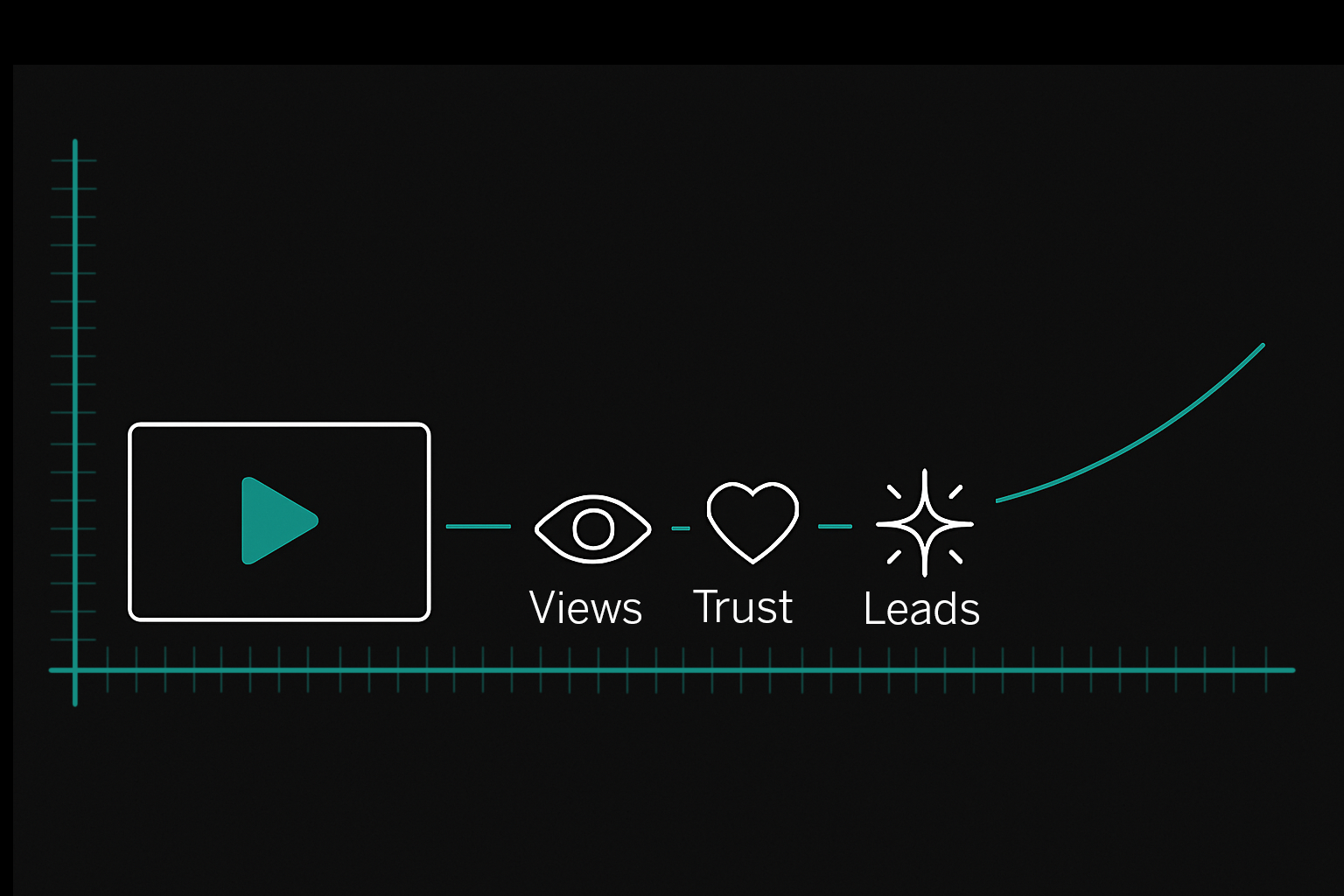
Revenue, not just views
They take cues from examples like Alex Hormozi growing his agency through YouTube or software companies like Owner.com driving sign-ups directly from content. The difference is not access to gear or budget. It’s that they:
Know exactly who the channel is for
Design content around the buyer journey
Use soft, helpful CTAs
Invest in evergreen videos
Repurpose content across platforms
Rely on analytics, not guesses
If you adopt the same mindset, you can build a channel that quietly feeds your business in the background.
Why Does Your YouTube Channel Need One Clear Purpose and Niche?
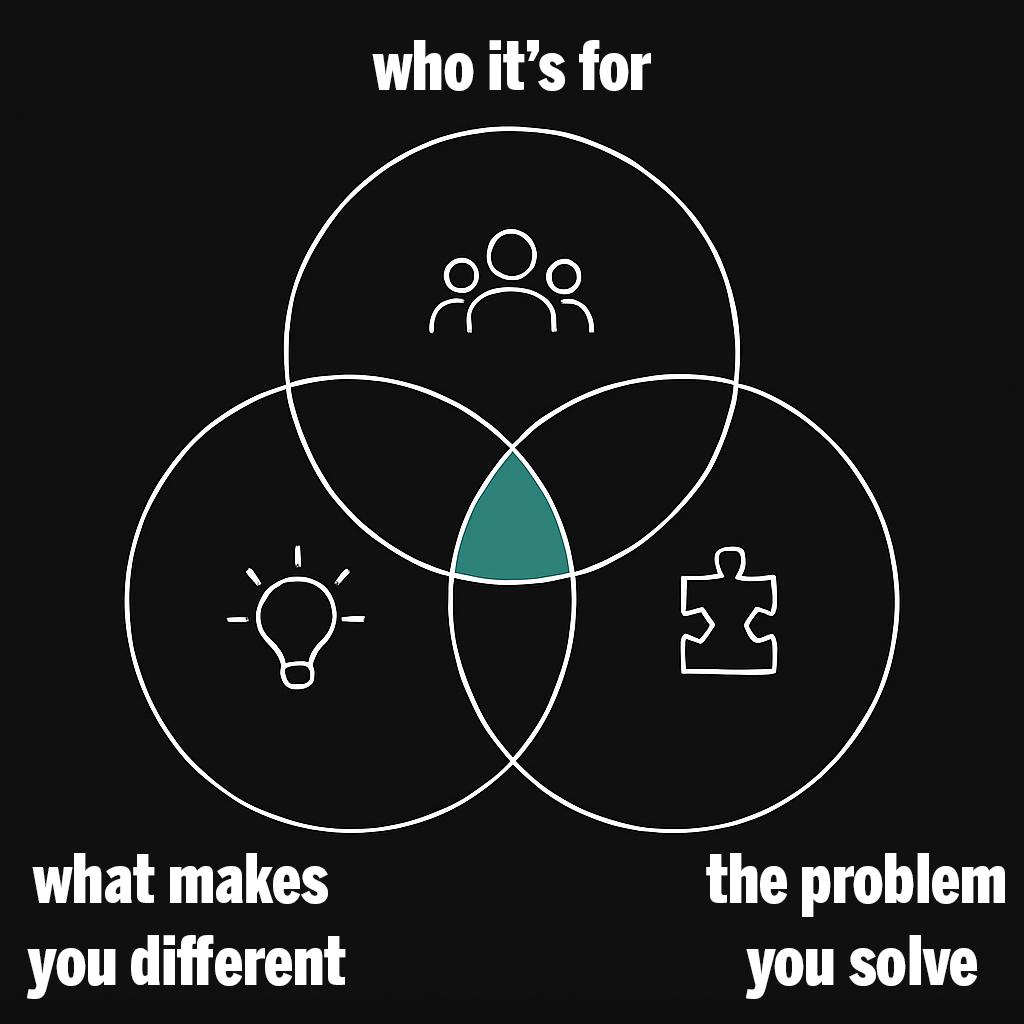
Smart businesses start by asking: “What is this channel actually for?”
Your channel needs:
One clear niche
One primary audience
One overarching promise
If you post a mix of random tips, generic business advice, and unrelated content, viewers won’t know what to expect. Confused viewers don’t binge your channel or subscribe.
Before you publish your next video, ask yourself:
Who exactly is this channel for?
Who is it not for?
What unique value or perspective are we bringing that others are not?
Without clarity, most channels fizzle out. It’s one reason so many videos never break 1,000 views: they’re published without a clear purpose or audience in mind.
When your “why” is sharp, every video supports a bigger narrative. Viewers instantly understand, “This is for people like me,” and they come back.
How Do You Create YouTube Content That Truly Puts Customers First?
The algorithm changes constantly and chasing every tweak is exhausting. Smart businesses flip the script and ask: “What are my customers actually struggling with?”
They create content that:
Solves real problems
Answers questions buyers are already asking
Helps viewers make better decisions
When a video genuinely helps someone:
They watch longer
They engage more in comments
They are more likely to share or save it
Those signals are exactly what the algorithm looks for.
Instead of building videos around tricks or hacks, build them around:
Common objections you hear on sales calls
Mistakes your best customers used to make
Step-by-step explanations for confusing topics
Help first. The algorithm will follow.
How Do Smart Businesses Turn Viewers into Actual Customers?
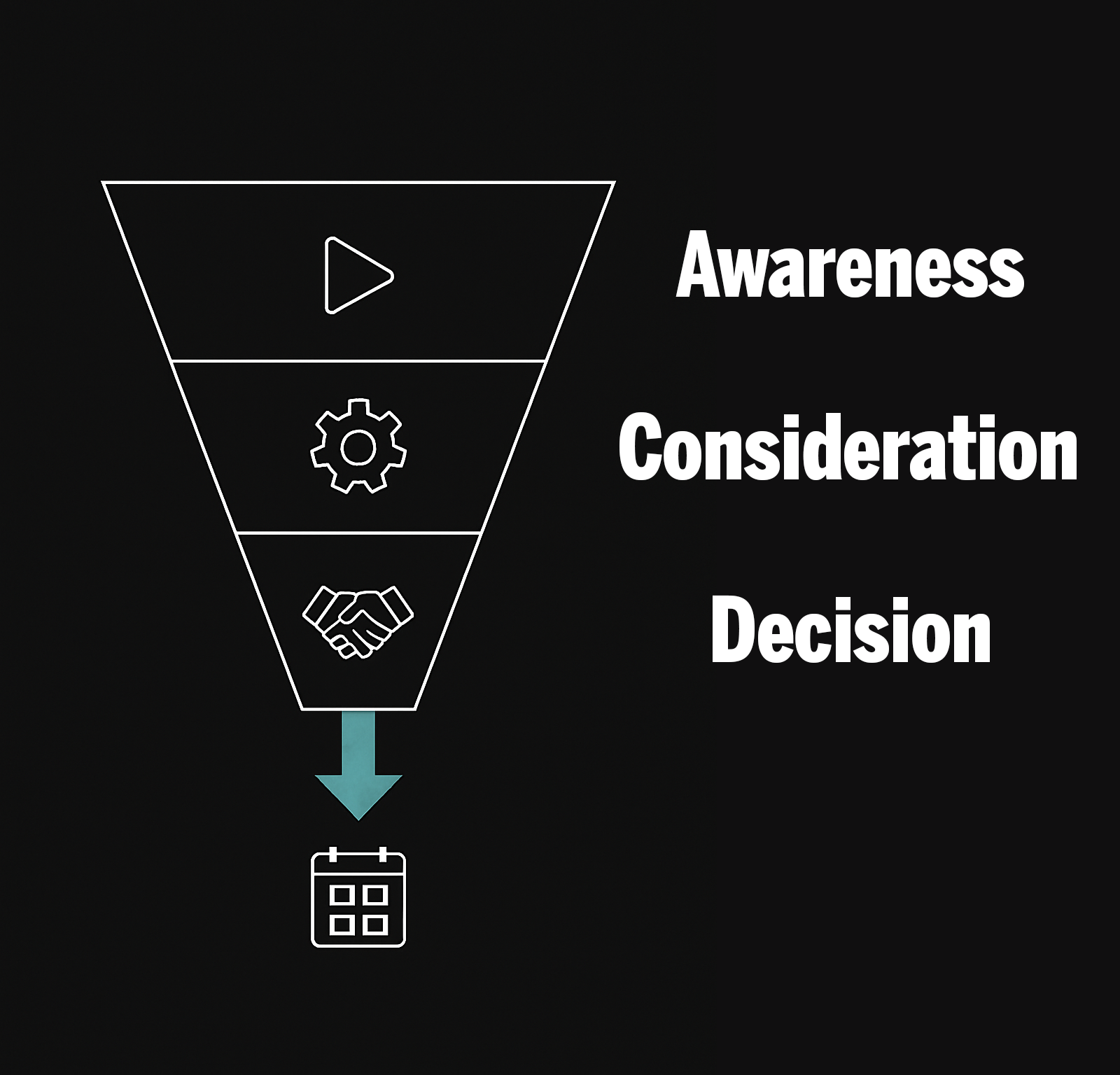
Most channels stall because they stop at awareness. Smart businesses treat YouTube like a buyer-journey engine, not just a top-of-funnel awareness play.
They design content that walks viewers through stages:
Awareness:
Broad, easy-to-understand topics
Videos that help people name their problem
Consideration:
Deeper, more detailed breakdowns
Comparisons, frameworks, and playbooks
Decision:
Case studies
Behind-the-scenes process walkthroughs
“What it’s like to work with us” style content
Each video has a job. Collectively, they guide a viewer from stranger to confident buyer. Over time, this turns your channel into a quiet, recurring pipeline for demos, consult calls, or trials.
What Is the “Invisible CTA” Method on YouTube?
Hard, pushy CTAs can hurt both performance and trust. Platforms often downrank content that feels overly promotional, and viewers tune out.
Smart businesses use what you might call the “Invisible CTA” method.
Instead of shouting:
“Buy now,”
“Book a call today,”
they say things like:
“If you’re curious where your channel stands, we created a short assessment to help you figure it out.”
“If you want to go deeper, we put together a checklist you can download.”
A good invisible CTA:
Feels like a logical next step
Is directly tied to the value in the video
Lowers the friction to engage with you
You are still guiding viewers, but in a way that feels helpful and natural. This keeps your content performing while still moving people toward your funnel.
Why Is Evergreen Content the Smartest YouTube Investment?
Evergreen videos are assets that keep working long after upload. They answer questions that never really go out of style.
Think:
“How to…” tutorials
“What is…” explainers
“Step-by-step” breakdowns for core problems
These videos:
Show up in search for months or years
Keep attracting new audiences without extra effort
Build trust before a sales conversation even happens
You can think of a strong evergreen video as a salesperson who:
Never sleeps
Never asks for a commission
Is always ready to explain your solution clearly
Smart businesses prioritize these videos first, because they compound.
How Do Smart Brands Repurpose YouTube Content Across Channels?
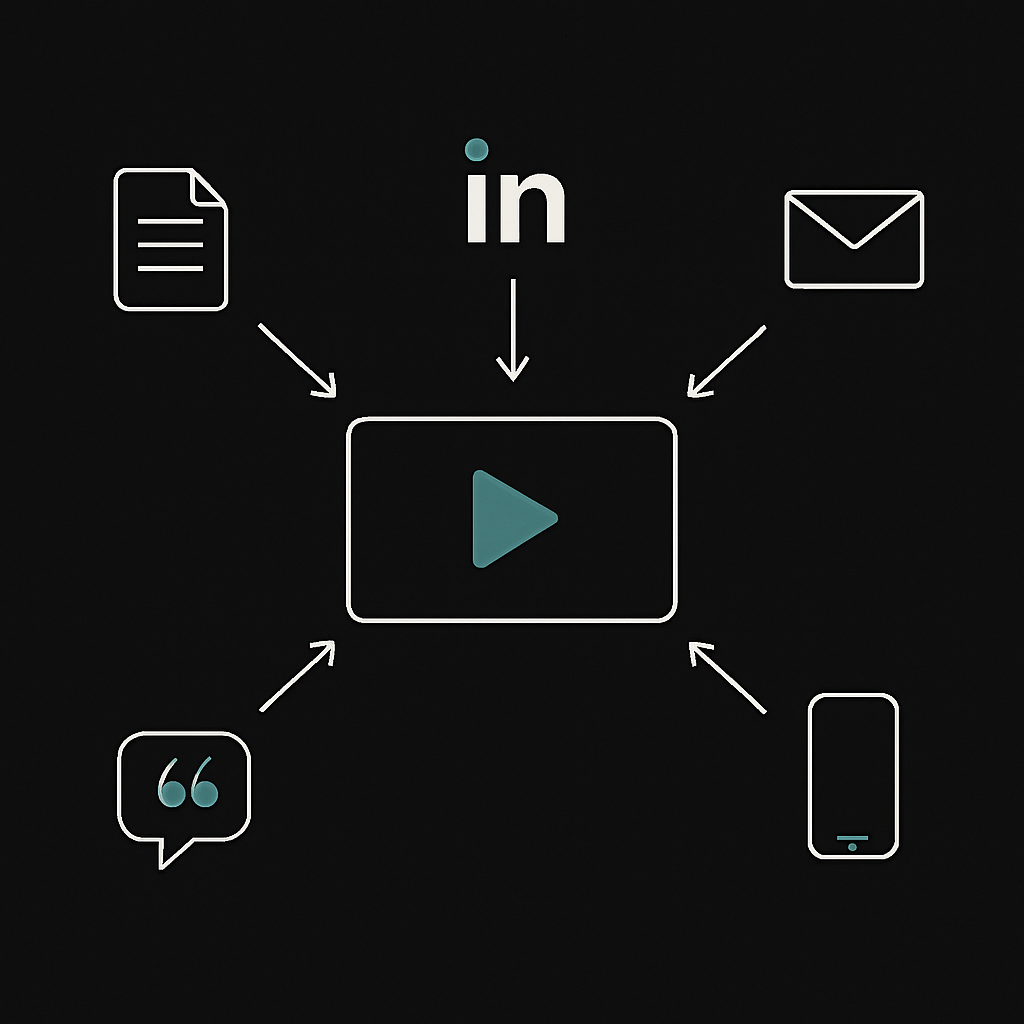
Once they have a strong video, smart brands don’t let it live and die on YouTube.
They treat each video like a content hub, and spin it into:
A long-form blog post (like this)
A LinkedIn post or carousel
Short clips for YouTube Shorts, TikTok, or Instagram
Quotes for Twitter/X
Snippets for email newsletters
This multiplies reach and keeps your message consistent across platforms, without multiplying effort.
For busy founders and lean teams, this approach is ideal:
Create once
Distribute everywhere
YouTube becomes the anchor. Everything else extends the life and impact of the original idea.
Why Does Consistency on YouTube Matter More Than Volume?
Smart businesses treat YouTube like a recurring commitment, not a random extra task.
They pick a schedule that is realistic:
Weekly
Bi-weekly
Twice a month
Then they stick to it.
Consistency matters because:
It trains your audience to expect your content
It sends a strong signal to YouTube that the channel is active
It makes your process smoother and more predictable internally
You do not need daily uploads. You need a sustainable rhythm that your team can maintain for 6–12 months without burning out.
Why Does Educational Content Outperform Sales Pitches on YouTube?
B2B buyers and modern decision-makers research heavily before talking to sales. Most are allergic to being “pitched” in content.
Educational content performs better because it:
Builds trust through value
Positions you as an expert, not just a vendor
Helps buyers feel in control of the process
Strong educational videos might:
Walk through a real case study
Break down an industry trend
Map out the pros and cons of different approaches
By the time someone reaches out, they:
Understand the problem
Understand your point of view
Already trust your expertise
That makes every sales conversation easier and warmer.
How Do Analytics Help You Continuously Improve Your YouTube Channel?
Winning businesses don’t just publish and hope. They watch the numbers.
They look at:
Average view duration
Audience retention graph
Click-through rate on thumbnails and titles
Which videos lead to site visits, sign-ups, or booked calls
Then they ask:
Where are people dropping off?
Which intros hold attention better?
Which topics drive more qualified traffic?
Over time, this feedback loop:
Sharpens your hooks
Clarifies which topics are worth doubling down on
Helps you connect content to real business outcomes
Paired with your CRM, you can see which videos correlate with closed deals or qualified leads. That’s where YouTube stops being a “brand thing” and becomes a measurable revenue channel.
How Long Does It Really Take to See Results from YouTube?
Most channels never see meaningful results because they quit too early.
In practice, it often takes:
Several months to build a library of videos
6–12 months for the compounding effect of evergreen content, recommendations, and search to kick in
But that slow initial phase is exactly where most competitors fall away.
If you commit to:
A clear niche and strategy
A consistent upload schedule
Continuous improvement via analytics
you are already ahead of the majority of channels that burn out after a handful of posts.
The channel that stays in the game long enough usually wins.
What Should You Do Next If You Want to Win on YouTube in 2026?
If you want to join the group of businesses quietly winning on YouTube in 2026, your next steps are simple:
Define your niche and channel “why.”
Map your content to the buyer journey: awareness, consideration, decision.
Use invisible CTAs that feel helpful, not pushy.
Invest in evergreen videos that solve durable problems.
Repurpose each video across LinkedIn, your blog, and email.
Commit to a schedule you can sustain for at least a year.
Let analytics guide your improvements.
When you string these together, YouTube stops being a mystery and starts behaving like a predictable growth channel.
TL;DR: How Smart Businesses Win on YouTube in 2026
They define a clear niche, audience, and “why” for the channel.
They map content to the full buyer journey, from awareness to decision.
They rely on invisible CTAs that feel helpful, not pushy.
They invest in evergreen videos that keep working long after upload.
They repurpose each video across LinkedIn, blogs, email, and short-form.
They publish consistently on a realistic schedule.
They use analytics and patience to compound results over 6–12 months.
If you’re a founder or marketing leader who wants YouTube to drive actual pipeline, not just views, now is the best time to get serious about it.
If you’d like help:
mapping your buyer journey into a YouTube funnel,
choosing the right evergreen topics,
or turning your channel into a predictable lead engine,
reach out and we can walk through what this would look like for your business.
Reach out
Take the first step to turning your YouTube channel into a lead generation machine.
Thank you! Your submission has been received!
Oops! Something went wrong while submitting the form.
Authors
Andrey is a YouTube growth strategist with over 8 years of experience in social and influencer marketing. Specializing in B2B audience retention, high-conversion storytelling, and full-funnel YouTube design, he has generated over 10 million organic views for clients. His expertise lies in transforming YouTube channels into high-ROI performance marketing assets by aligning video content with complex B2B sales cycles.
Pat is a B2B growth specialist with a decade of experience in enterprise software sales. Recognizing the declining efficiency of traditional outbound prospecting, he pioneered the use of YouTube and AI Search Optimization to reach modern B2B buyers. Pat consults with expert-led brands to architect video marketing strategies that mirror current B2B buyer journeys and self-serve research patterns.