In 2026, the YouTube algorithm prioritizes relevance, retention, repeat viewers, and viewing sessions over keywords, posting volume, and subscriber count. This shift structurally favors niche business channels that solve specific problems for a defined audience and use YouTube as a lead generation platform.
The YouTube algorithm did not stop working. It stopped rewarding surface-level attention.
Many creators are seeing fewer views and blaming AI, Shorts, or a broken system. In reality, YouTube has shifted away from broad distribution toward deeper relevance.
This change benefits business channels because most businesses do not need mass attention. They need the right people to pay attention for longer.
High-trust, high-consideration buying decisions align naturally with how YouTube now evaluates content.
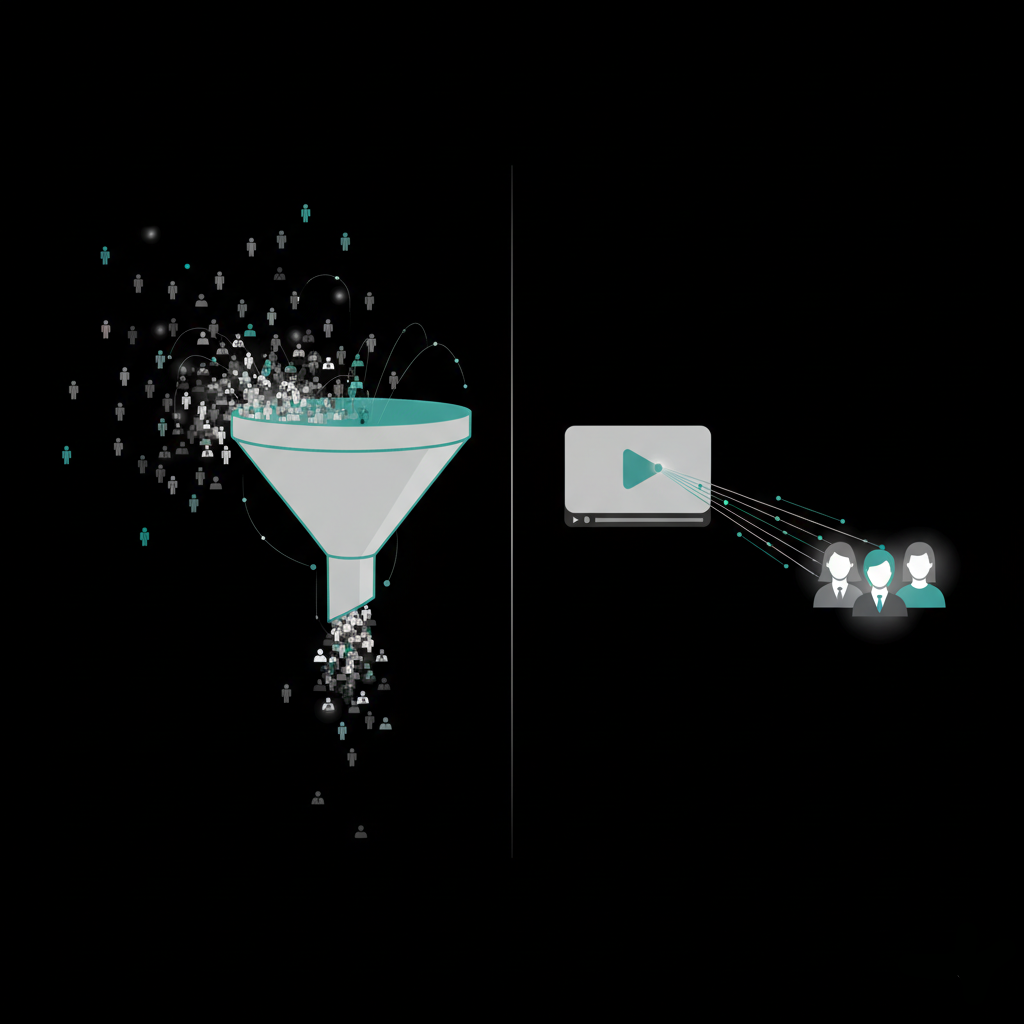
Every new video starts with a test.
YouTube initially shows each video to a small, highly specific audience it believes will benefit from the content. This decision is based on YouTube’s understanding of what the video is about and who it is for.
If that first group clicks, stays, and watches meaningfully, distribution expands to similar viewers. If they click and leave quickly, distribution slows or stops.
Early audience matching determines long-term performance.
This is why clarity at the beginning of a video now matters more than ever.
Rule: In 2026, YouTube does not rank videos by keywords or tags. It ranks videos by meaning and audience fit.
What changed:
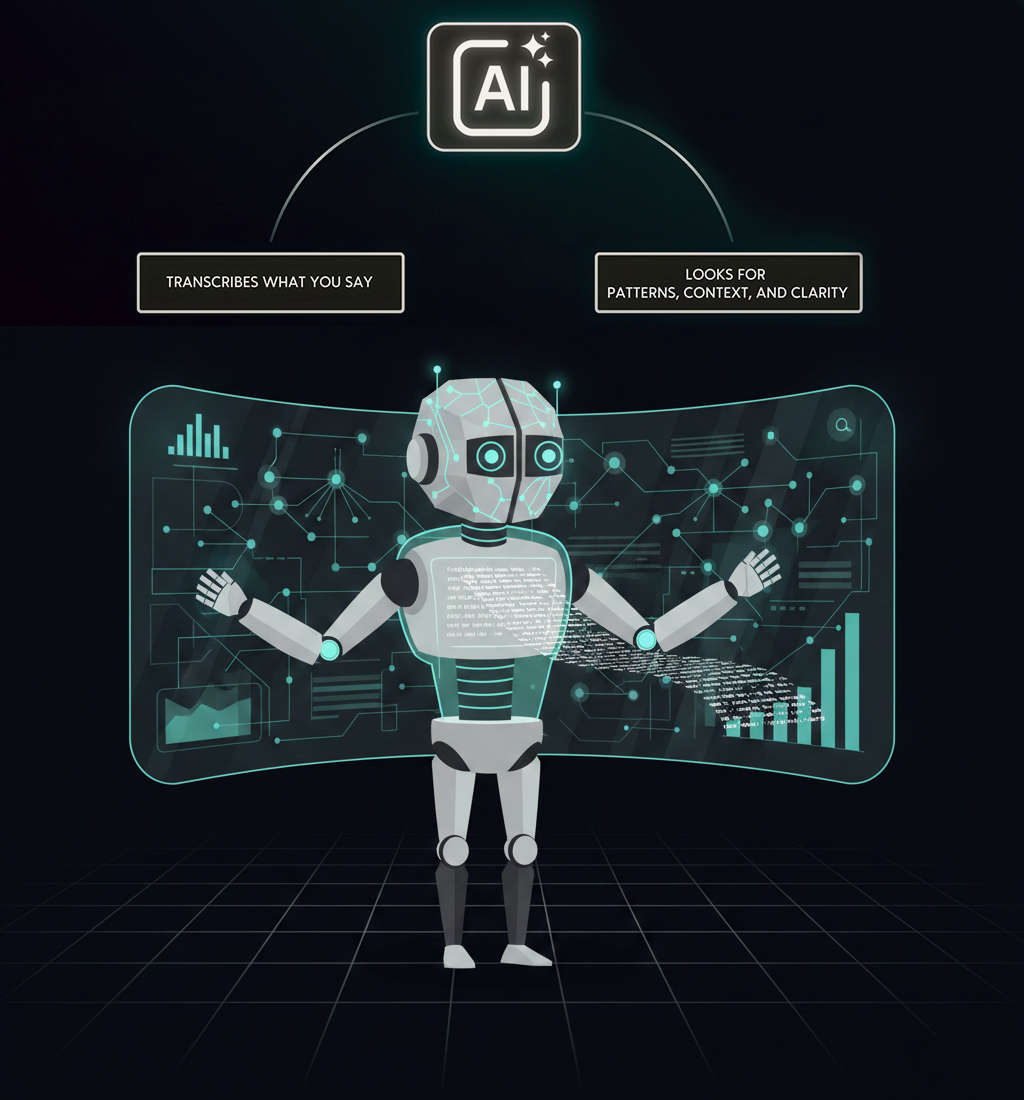
YouTube now uses AI transcription to understand the spoken content of a video, not just its metadata.
Why YouTube made this change:
Context and intent are stronger predictors of viewer satisfaction than keywords.
What this means for business channels:
When a video clearly states who it is for and what problem it solves, YouTube can match it to the right audience immediately. Vague messaging forces the algorithm to guess, often resulting in poor early testing.
Clear niche positioning reduces algorithmic friction and improves distribution consistency.
Rule: Retention is a stronger signal than click-through rate.
What changed:
YouTube now evaluates whether viewers stay and watch, not just whether they click.
Why YouTube made this change:
Clicks can be manufactured. Sustained attention cannot.
What this means for business channels:
Business viewers are solution-oriented. When intros are slow, broad, or unclear, viewers leave. When the problem and outcome are stated immediately, viewers stay.
Retention signals that the right person found the right video at the right time.
Rule: Smaller, highly relevant audiences outperform large, disengaged ones.
What changed:
YouTube prioritizes deep engagement over mass exposure.
Why YouTube made this change:
Broad content creates shallow satisfaction and shorter sessions.
What this means for business channels:
Niche videos often receive fewer views but higher completion rates. This sends a stronger relevance signal than broad appeal ever could.
For lead generation, relevance is more valuable than reach.
Rule: Trust is built through repeated exposure, not subscriptions.
What changed:
Subscriber count is no longer a primary distribution signal.
Why YouTube made this change:
Clicking “subscribe” does not indicate trust. Returning to watch multiple videos does.
What this means for business channels:
Channels with fewer subscribers but strong repeat viewership often outperform larger channels with disengaged audiences.
This mirrors real B2B buying behavior. Buyers rarely convert after one interaction.
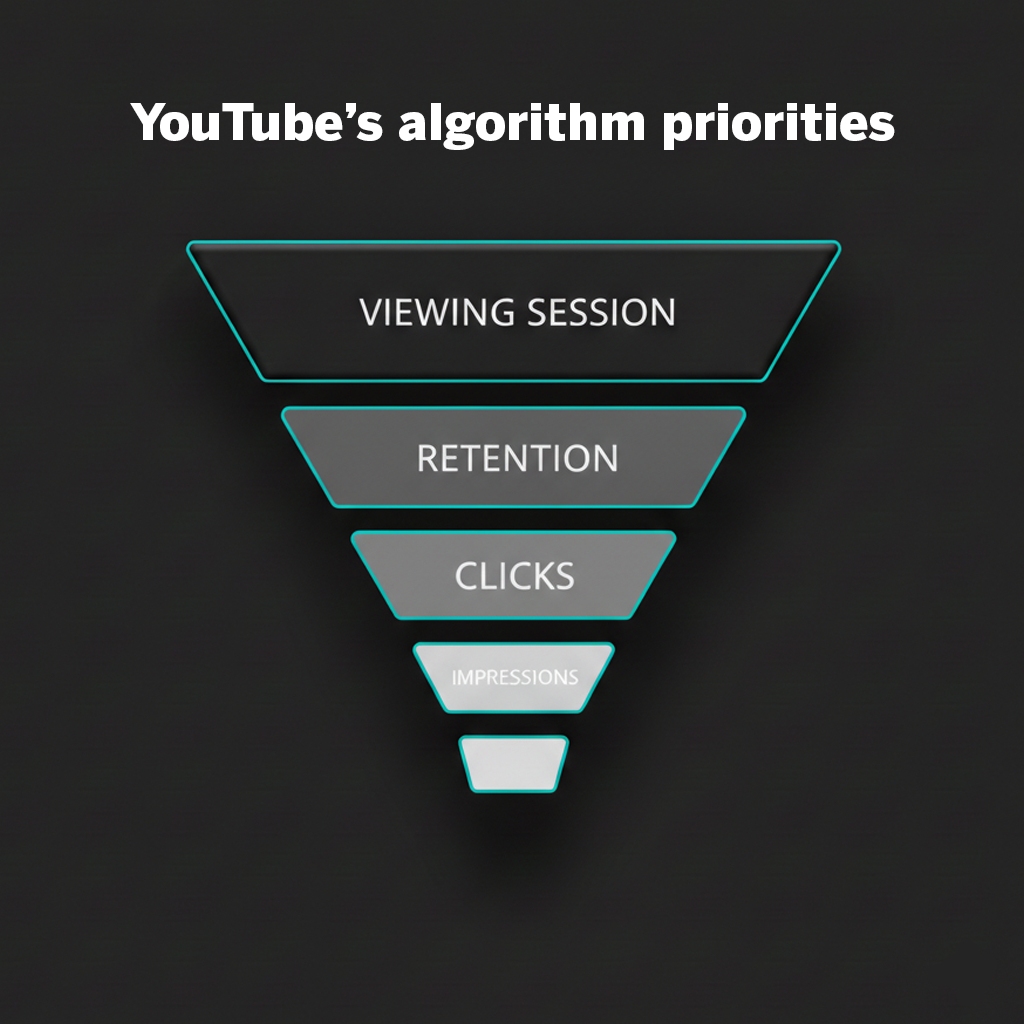
Rule: Viewing sessions matter more than individual views.
What changed:
YouTube evaluates what happens after a video ends.
Why YouTube made this change:
Longer sessions keep users on the platform and indicate sustained value.
What this means for business channels:
When videos are intentionally connected around related problems and solutions, viewers naturally continue watching. This strengthens channel-level performance and future distribution.
A clear YouTube video funnel strategy directly supports this behavior.
Rule: Education outperforms entertainment for business audiences.
What changed:
YouTube recognizes different viewer intent across content categories.
Why YouTube made this change:
Business viewers are not browsing. They are searching for answers.
What this means for business channels:
Clear explanations, structured thinking, and actionable insight keep viewers engaged longer than jokes or flashy visuals.
Authority is built through usefulness, not performance.
Rule: Volume without focus reduces clarity.
What changed:
Posting frequency alone no longer drives momentum.
Why YouTube made this change:
Inconsistent topics confuse both viewers and the algorithm.
What this means for business channels:
Consistent messaging matters more than frequent uploads. A few strategically planned videos per month often outperform high-volume, unfocused publishing.
Rule: Engagement confirms value.
What changed:
Likes, comments, and replies influence how YouTube evaluates audience satisfaction.
Why YouTube made this change:
Engagement indicates that content resonated enough to prompt action.
What this means for business channels:
Consistent engagement improves audience matching over time, making distribution more predictable and reducing reliance on viral spikes.
If your videos clearly target a specific buyer and problem, YouTube will test them with more relevant audiences.
If those viewers stay and return, YouTube will expand distribution.
If viewing sessions increase, future videos will start stronger than the last.
None of these changes hurt businesses. They reward clarity, focus, and consistency.