The rules that govern discovery, monetization, and creator partnerships all moved in 2026, and a lot of what circulates online about those changes is wrong. This guide separates the verified shifts from the myths, then gives you a repeatable framework for building a YouTube for B2B marketing program around what is actually true.
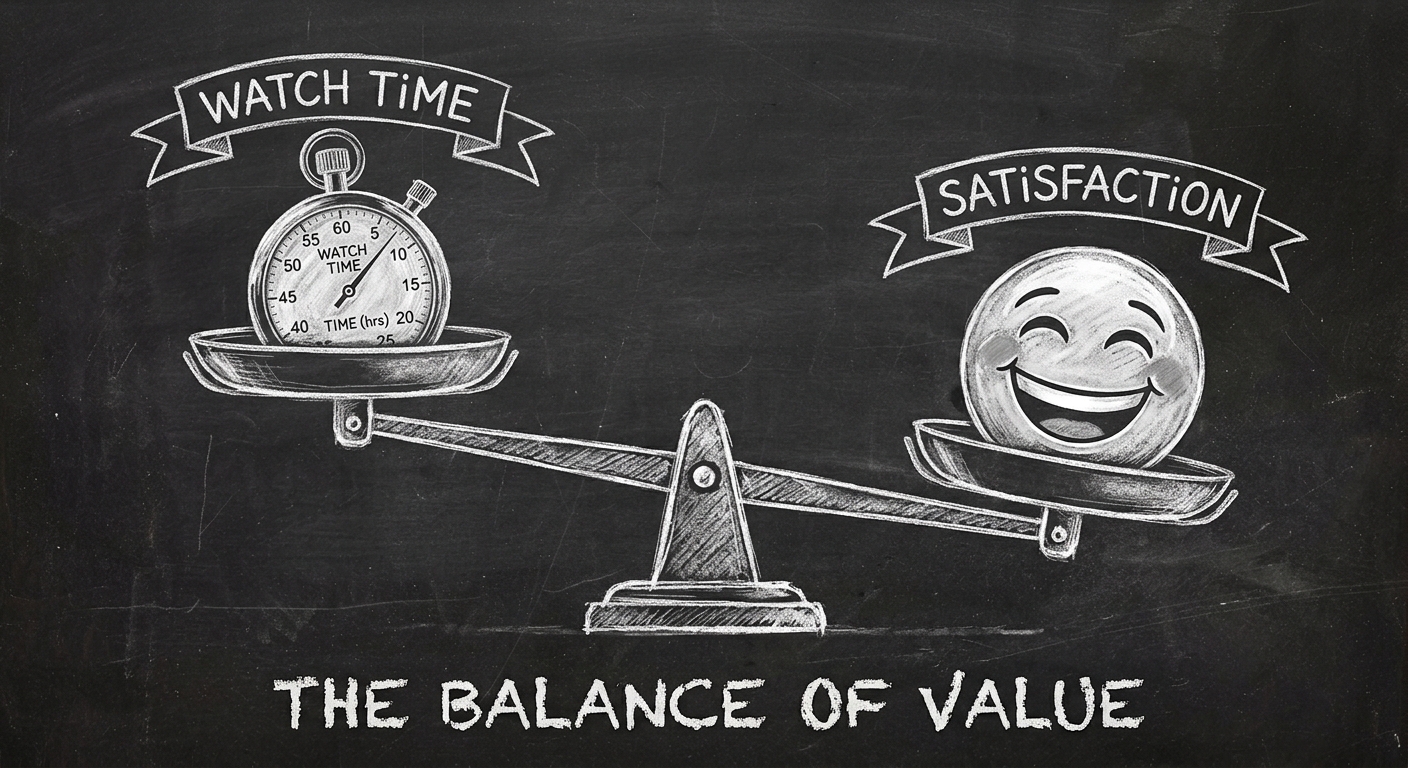
Three verified changes matter most. YouTube now weights watch time by viewer satisfaction, auto-dubbing into 27 languages became free for every channel on February 4, 2026, and creator sponsorships moved into a Gemini-powered hub called YouTube Creator Partnerships, announced March 23, 2026.
The satisfaction shift is the big one. Instead of rewarding accumulated minutes, YouTube measures whether viewers were genuinely satisfied, using post-view surveys, repeat views, off-platform shares, returns to the channel, and session continuation. A tight, high-retention video that gets shared into a work Slack can now out-distribute a padded long video that viewers abandon. Clickbait is actively suppressed, because a gap between promise and delivery starves the satisfaction signals that drive further distribution.
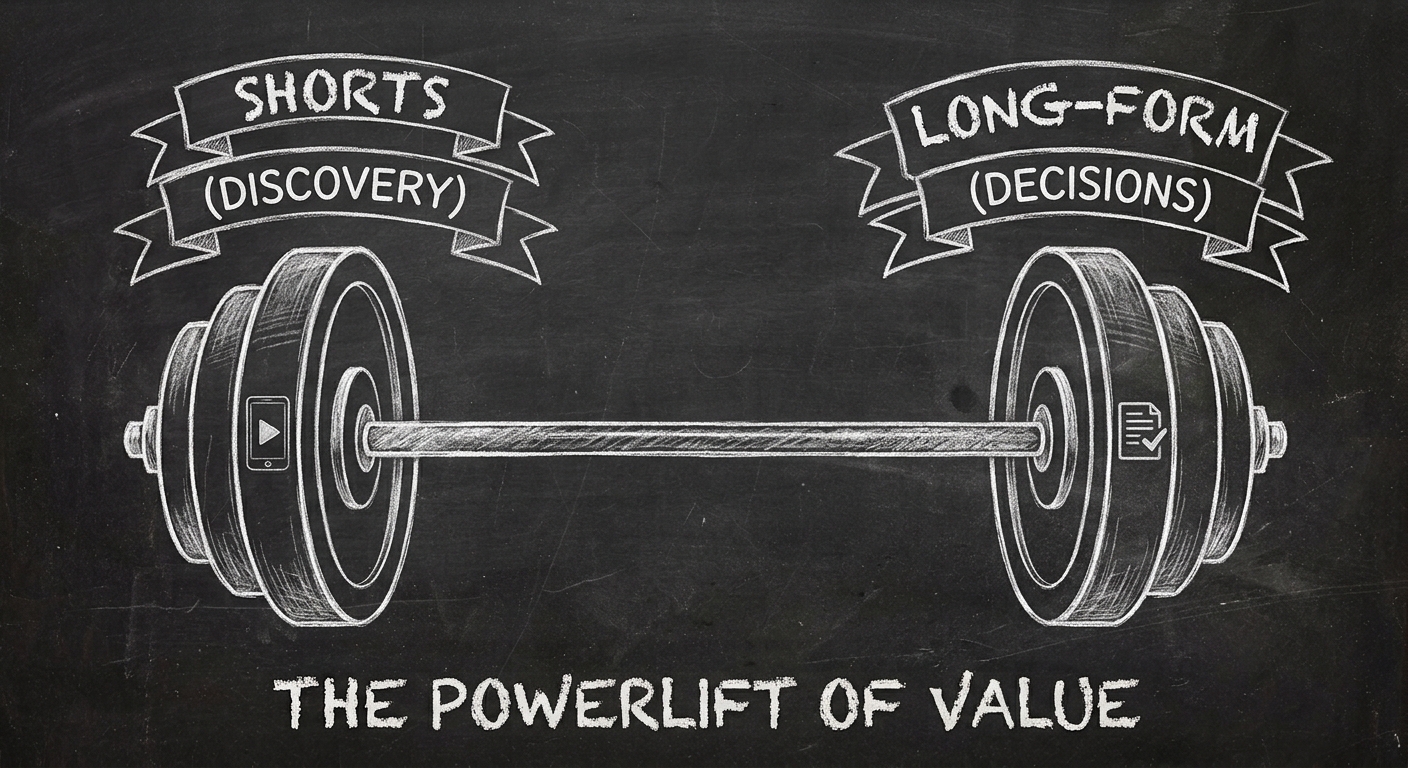
Shorts have become the discovery funnel that feeds this system. Shorts now average more than 200 billion daily views and run on a separate recommendation engine from long-form. For B2B, that makes Shorts a top-of-funnel layer that points high-intent viewers toward long-form videos, where consideration and conversion actually happen.
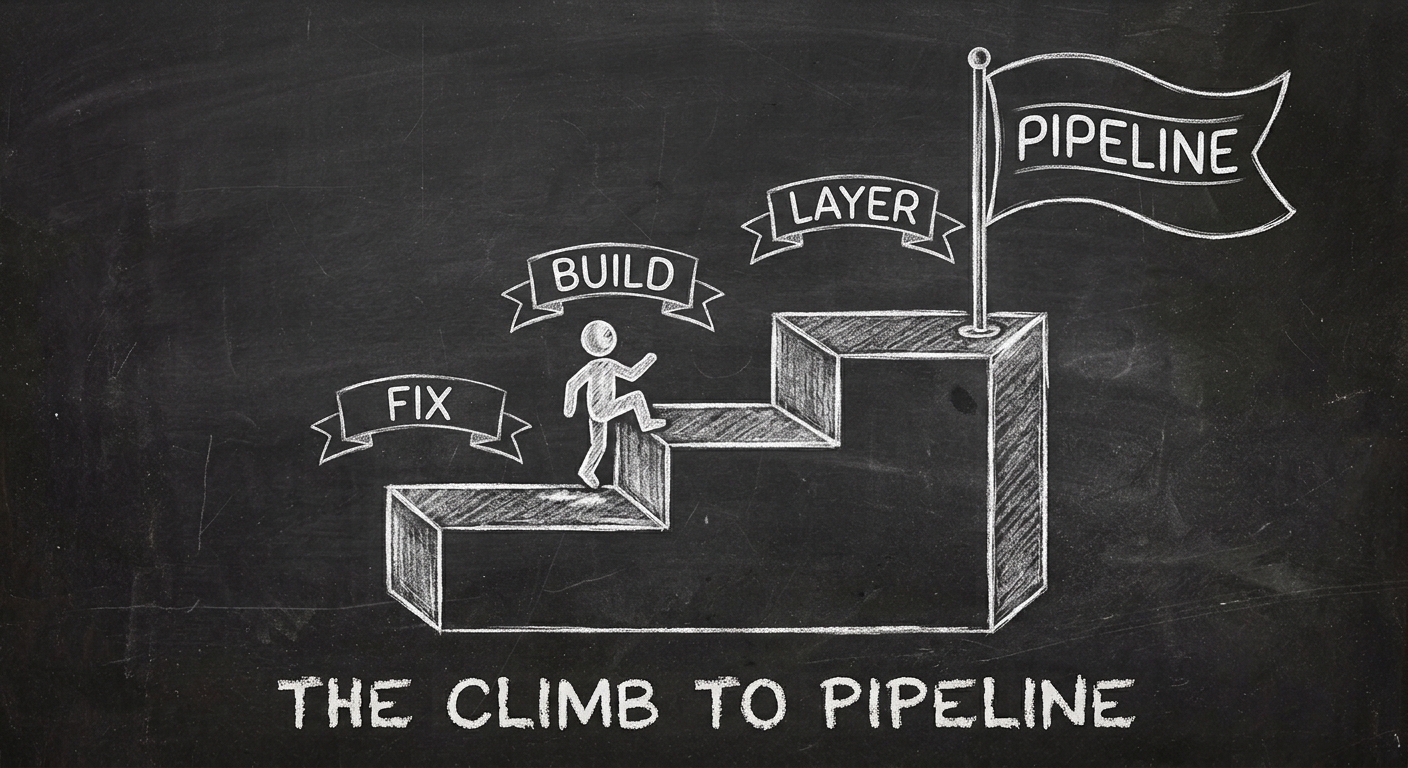
Adapt in three phases: fix the fundamentals, build a Shorts-plus-long-form barbell, then layer creator partnerships. This sequence stops teams from chasing tactics before the basics earn distribution.
Several widely shared 2026 claims are wrong or conflated. Before you rebuild strategy around a LinkedIn post, check it against YouTube's own documentation. The table below corrects the most common errors so you do not optimize for rules that do not exist.
One more threshold to plan around: on August 10, 2026 YouTube announced that on February 1, 2027 the top-tier Partner Program requirements double to 8,000 watch hours or 20 million Shorts views over 90 days. If your channel is close to eligibility, accelerate to qualify before that change.
Auto-dubbing is a near-zero-cost reach expansion, and for B2B firms selling internationally it may be the single easiest win of 2026. Since February 4, 2026, every channel can auto-dub into 27 languages, and dubbed tracks enter each language's recommendation pool independently.
The results are meaningful. Creators who uploaded dubbed audio tracks saw, on average, more than 25 percent of their watch time come from viewers in non-primary languages. YouTube reported over 6 million daily viewers watching at least 10 minutes of auto-dubbed content in December, and one pilot channel tripled its views during testing. Turn dubbing on for your top two or three export markets, then watch non-primary-language watch time in Studio to see where demand concentrates.
Use the hub to select creators by audience fit, not follower count, since fit beats reach in narrow B2B categories. YouTube Creator Partnerships gives advertisers access to more than 3 million Partner Program creators, and its Gemini engine recommends creators by audience similarity, organic brand mentions, and subscriber-growth patterns.
The most useful upgrade is opt-in channel insights. When a creator enables insights sharing, you can see aggregated channel statistics, audience demographics, and shopping performance, which replaces gambling on vanity metrics with real audience data. YouTube also reports that creators who shared channel insights were surfaced 60 percent more in search results, so opted-in creators are easier to find in the first place. Make insights opt-in a condition of consideration, and treat any creator who declines as unverified audience data to price accordingly.
For B2B, the return on a YouTube program is pipeline generated, not AdSense earned. Shorts RPM sits at roughly $0.03 to $0.10 per 1,000 views, so treat Shorts as discovery and lead generation rather than a revenue line.
Satisfaction-weighted discovery favors exactly what good B2B content does: answer a real question completely and leave the viewer better off. Smaller, higher-intent audiences compound when completion, returns, and shares are strong. That compounding is why patience pays: YouTube's own data shows 40 percent of a video's views happen more than a month after upload, which suits evergreen B2B explainers. Build your YouTube for B2B marketing measurement around lift studies and pipeline influence, and let AdSense be a rounding error.
Is YouTube worth it for B2B marketing in 2026?Yes, especially for high-consideration offers. Satisfaction-weighted discovery rewards content that answers a real question completely, which is exactly what B2B buyers want. Because 40 percent of a video's views happen more than a month after upload, evergreen B2B explainers compound over time.
What changed most in the YouTube algorithm in 2026?The biggest change is that YouTube weights watch time by viewer satisfaction, measured through surveys, repeat views, off-platform shares, and session continuation. It did not replace watch time; it layered satisfaction on top of it.
Did the YouTube Shorts revenue split change in 2026?No. Creators still keep 45 percent of the allocated Shorts ad-revenue pool, and YouTube retains 55 percent. The widely repeated claim that the split rose to 55 percent for creators is incorrect.
Should B2B brands use YouTube Shorts?Yes, but as a discovery funnel rather than a revenue source. Shorts average more than 200 billion daily views and point viewers toward long-form videos where B2B consideration and conversion happen. Shorts RPM is only about $0.03 to $0.10 per 1,000 views.
How does auto-dubbing help B2B companies?Auto-dubbing into 27 languages is free and expands reach at near-zero cost. Dubbed creators averaged more than 25 percent of watch time from non-primary-language viewers, which is valuable for firms selling internationally.
What is YouTube Creator Partnerships?It is a Gemini-powered hub, announced March 23, 2026, that helps advertisers discover and vet creators across more than 3 million Partner Program channels. Opt-in insights sharing gives brands real audience demographics instead of vanity metrics.
Do I need to disclose AI-generated content on YouTube?Yes, realistic altered or synthetic media (face swaps, voice clones, fabricated realistic events) must be disclosed. Disclosure itself does not reduce reach or monetization; penalties come from failing to disclose.
When do YouTube Partner Program thresholds change?On February 1, 2027, the top-tier requirements double to 8,000 watch hours or 20 million Shorts views over 90 days. Channels near eligibility should qualify before that date.