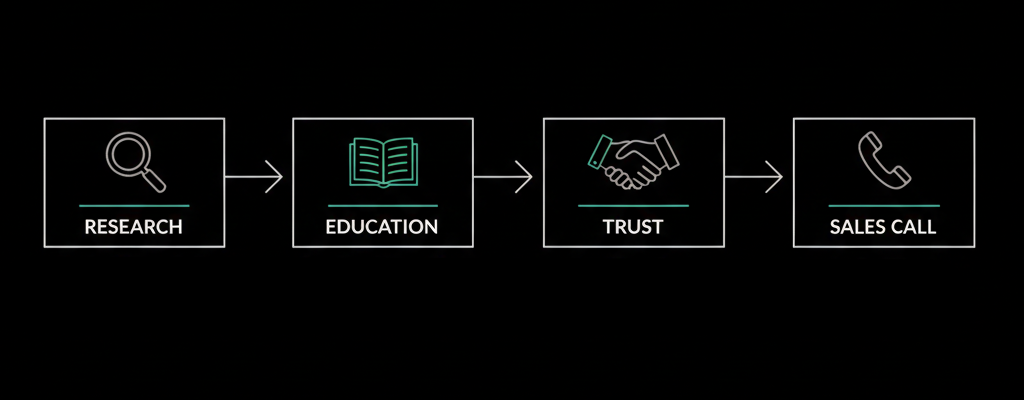
Because most buying decisions are made long before a sales call, and YouTube is where that decision is increasingly shaped.
If you sell a high-consideration B2B product or service, the biggest revenue leak in your business usually does not show up in your pipeline report. It happens earlier, during buyer research, when prospects are deciding who they trust enough to contact at all.
Most businesses assume deals are won or lost on the call. In reality, the call usually confirms a decision that was already made.
By the time a prospect books time with your team, they have already:
If you are not visible during this phase, you are not in the decision set at all.
When a prospect says “we’ll think about it” or “circle back later,” it rarely means price or timing.
It usually means one of two things:
On a sales call, this looks like hesitation. In reality, it is a visibility gap. They simply have not spent enough time with your ideas, your explanations, or your point of view.
Think about the last time you evaluated a tool or service yourself.
You probably did not buy immediately. You searched. You compared options. You read. You watched. You revisited the same companies multiple times.
Modern buyers:
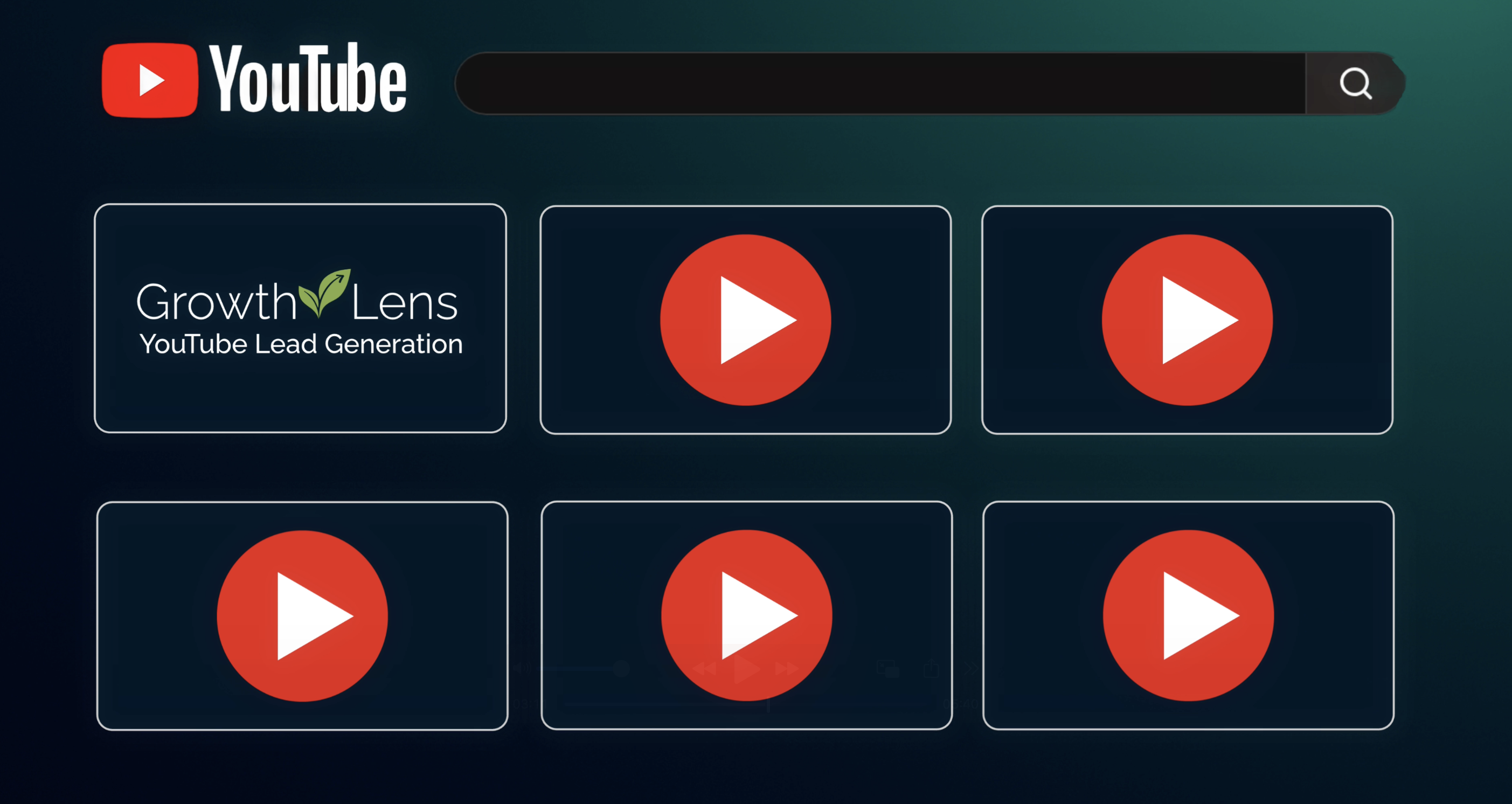
This research phase can last weeks or months. YouTube is where much of that learning now happens.
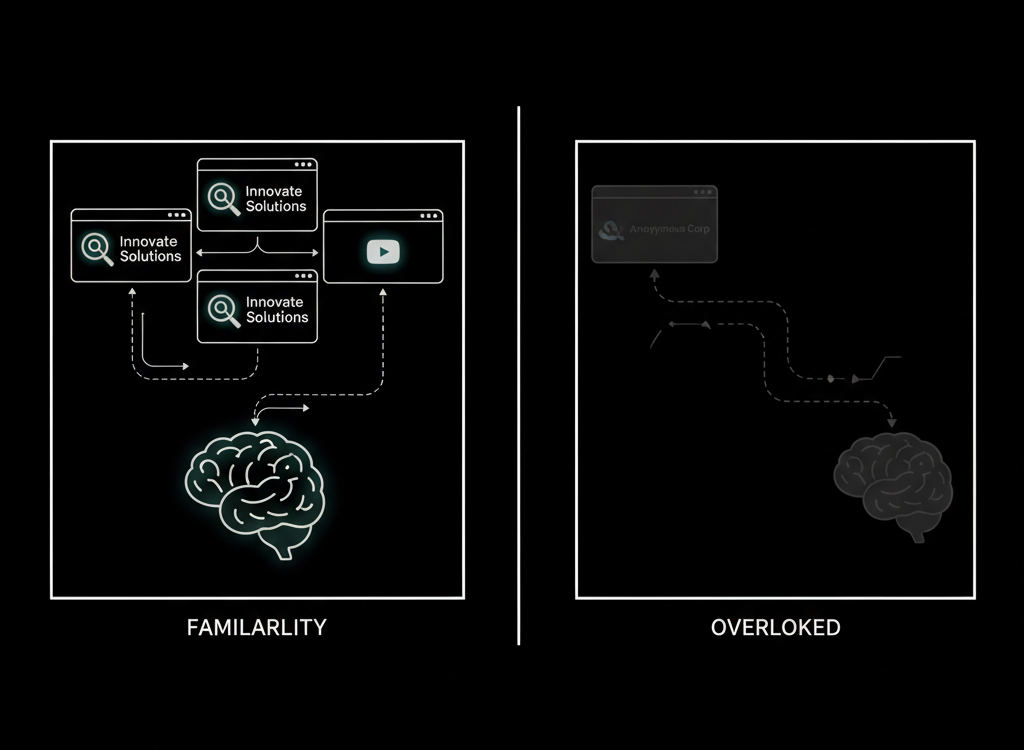
Trust is built through repeated exposure, not a single interaction.
For most B2B decisions, buyers need five to ten meaningful touchpoints before they feel comfortable engaging sales. A website and a blog post or two rarely provide that depth.
YouTube does because:
If you are not present here, someone else is.
Many B2B teams see YouTube as a marketing platform and judge it by:
That framing misses the point.
For B2B, YouTube is not about entertainment or reach. It is about buyer enablement.
When used intentionally, YouTube:
Each video becomes a trust-building touchpoint, not a standalone asset.
Look at how most businesses show up today:
That provides one or two touchpoints at best.
If buyers need repeated exposure to trust you, that gap gets filled by competitors who publish consistently. Not because they are better, but because they are present.
The revenue loss never appears in attribution reports because those prospects never contacted you in the first place.
You do not need to be entertainers. B2B buyers care far more about clarity and expertise than personality. Explaining what you already know, clearly and repeatedly, is enough.
Boring industries usually have less competition doing this well. That makes consistency more powerful, not less.
This is usually a structure problem, not a content problem. Random videos do not compound. Intentional, segmented content does.
When YouTube is treated as a system, not a channel:
You give qualified buyers more opportunities to discover you while they are actively looking for answers.