YouTube outperforms LinkedIn for long-term B2B marketing because it delivers evergreen, intent-driven discovery, higher retention, and a compounding content engine that works for months or years. LinkedIn is valuable for quick visibility, but YouTube builds sustained trust, pipeline, and high-intent inbound leads.
The biggest difference is time.
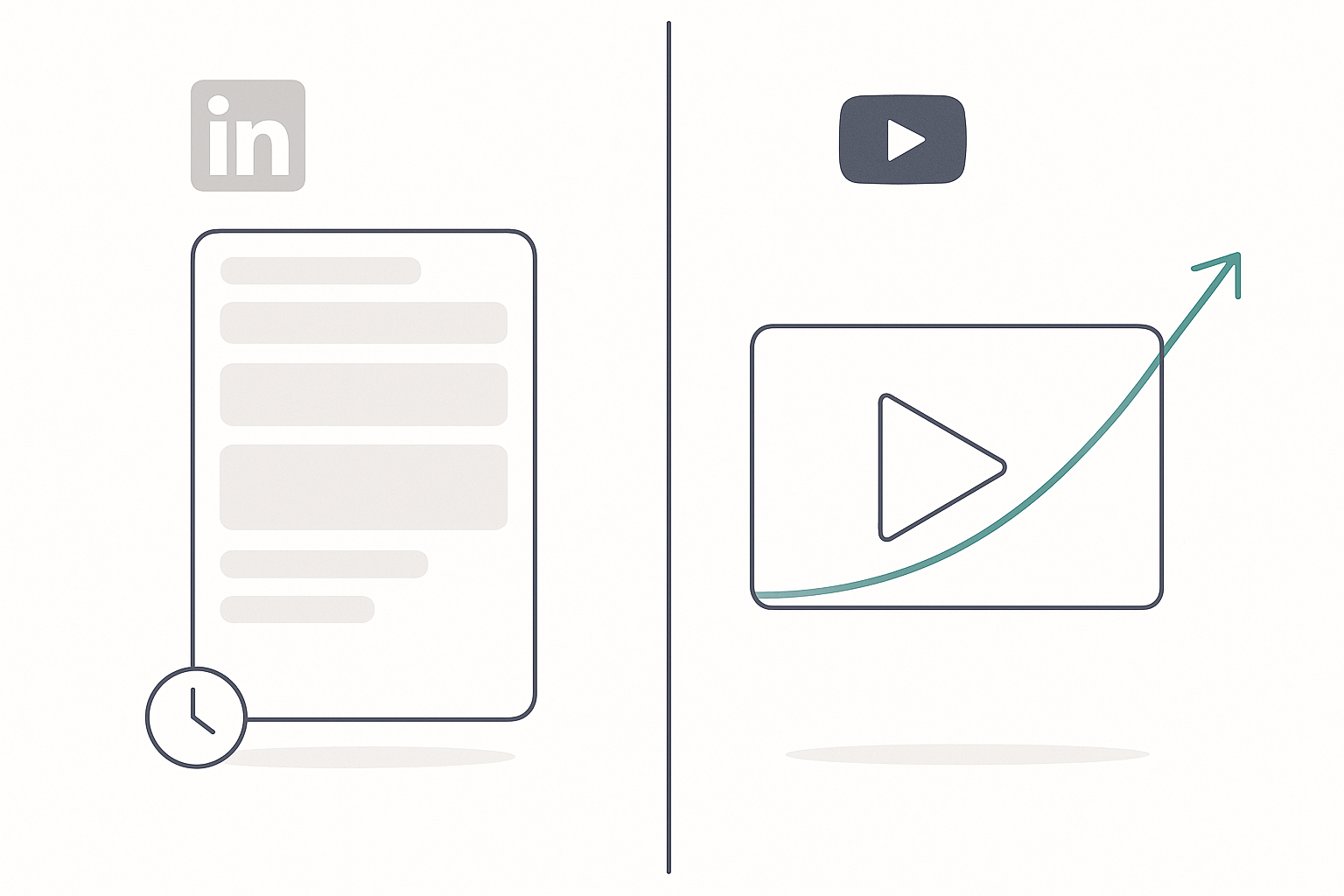
LinkedIn posts live for 24–72 hours. YouTube videos live forever.
On LinkedIn, your content is pushed to your feed once, then disappears into the stream. On YouTube, your content is continuously surfaced through search and recommendations, reaching buyers precisely when they’re looking for solutions.
LinkedIn is still useful for credibility, updates, and awareness. But it’s become saturated, crowded, and short-lived.
Most B2B teams rely on LinkedIn because:
The problem? LinkedIn text posts rely on low-intent feed surfing. Content may get engagement - but rarely sustained demand or pipeline.
A cybersecurity company shares a ransomware case study. It earns impressions for two days, then disappears. Meanwhile, thousands of companies still dealing with ransomware never see it.
YouTube functions like a self-running inbound engine.
When someone searches for a solution - “ransomware recovery,” “accounting workflow automation,” “best project management process” - your video appears at the exact moment they need help.
That is high-intent visibility.
That is evergreen demand generation.
Unlike any other channel:
According to HubSpot, evergreen content can generate three times more leads over time than short-lived posts.
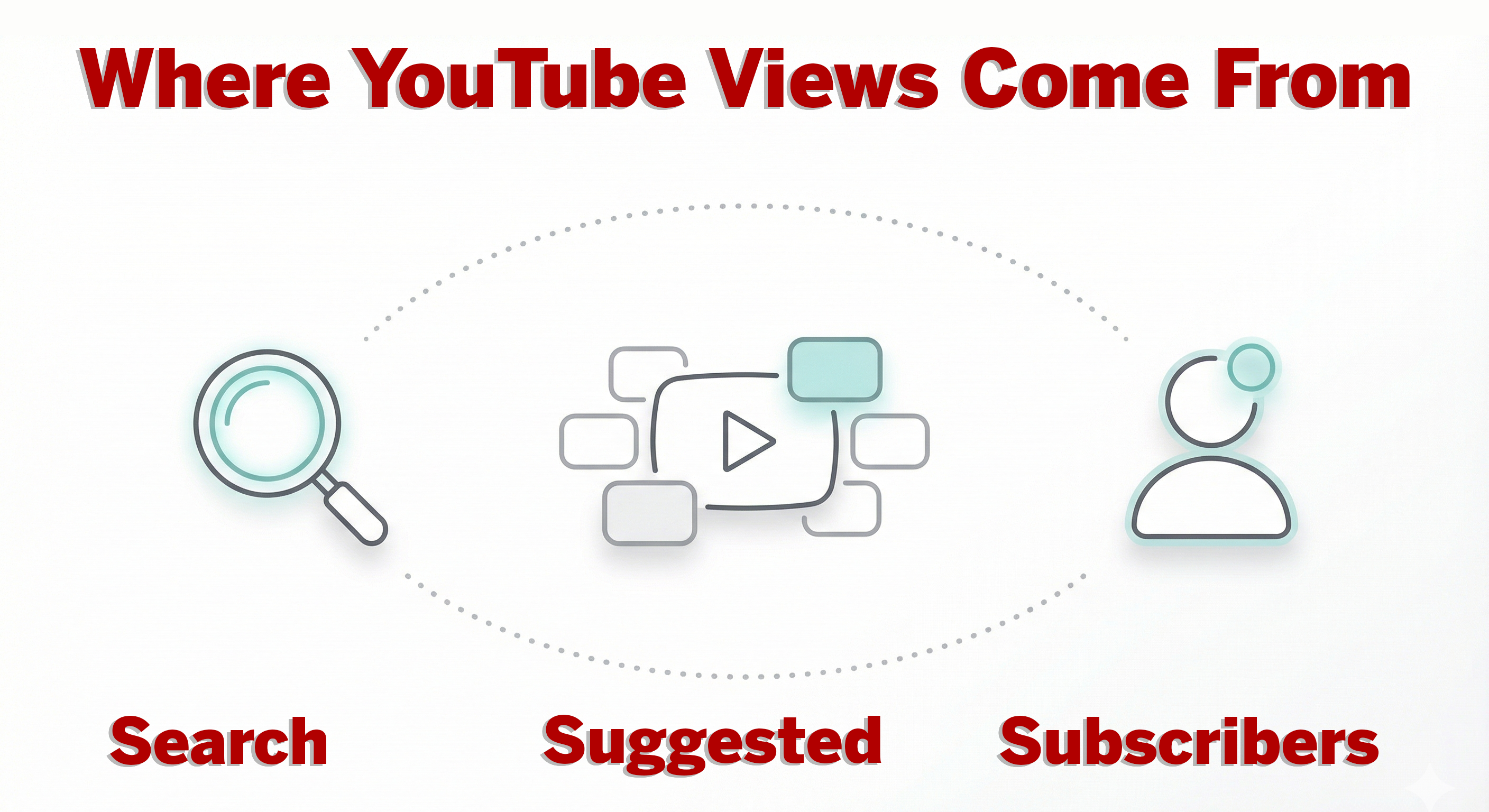
On YouTube, viewers find your content in three pathways:
Over 70% of watch time comes from search or recommendations. That’s all intent.
If your video aligns with:
…it becomes discoverable far beyond your existing network.
B2B audiences don’t just listen - they scan, evaluate, and compare.
Visuals help them understand faster and remember longer.
Research shows visuals can increase learning retention by up to 400%.
Use:
According to Wistia, videos that open with a visual hook retain 30% more viewers.
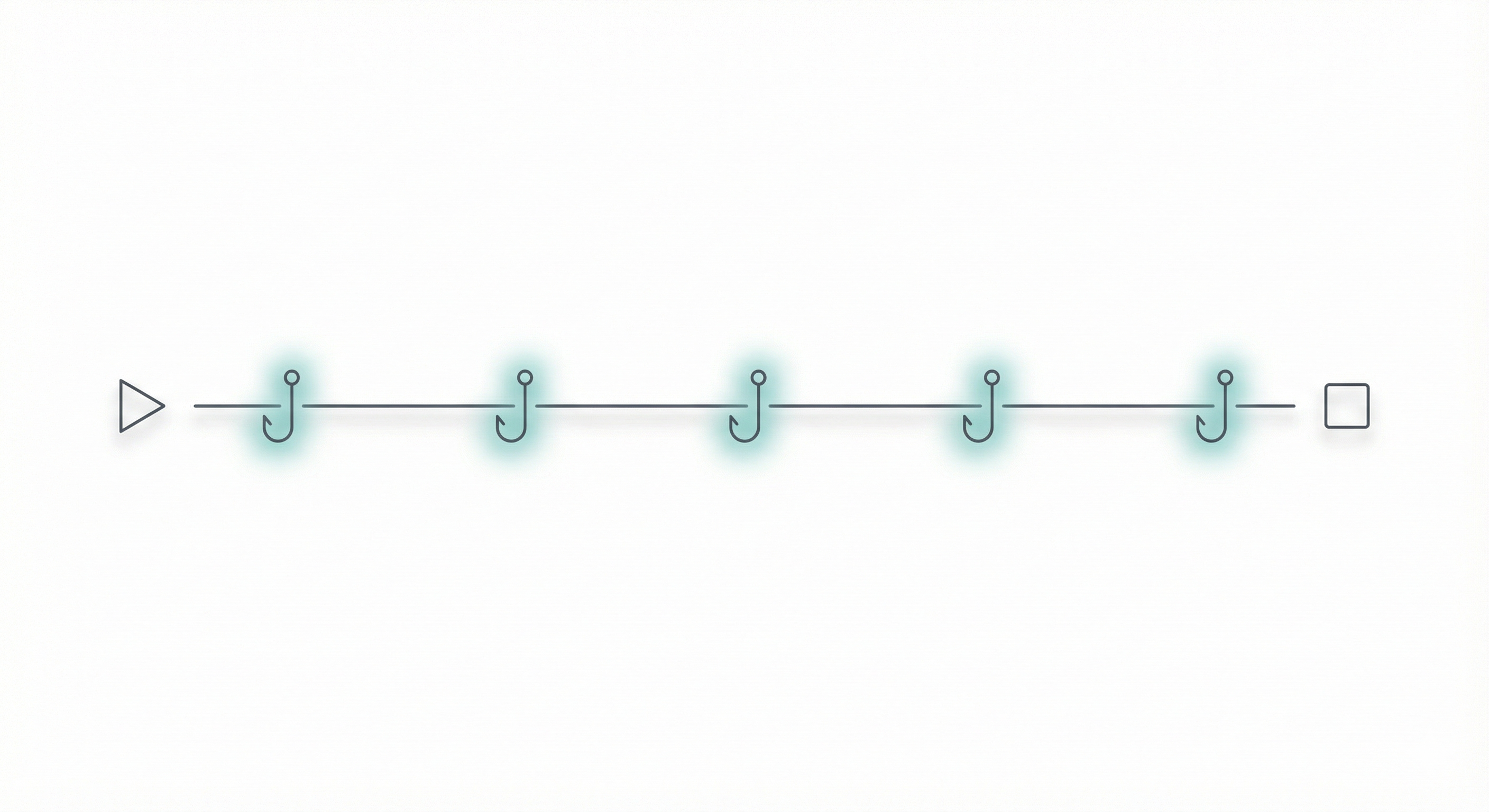
On YouTube, you don’t just hook once - you hook continuously.
Every 30–60 seconds, you must give the viewer a reason to stay:
Videos with strong mid-roll engagement can grow their reach by nearly 50%.
Retention is a major success signal for the algorithm.
If you don’t re-earn attention, viewers leave before they ever reach the CTA. And if they don’t reach the CTA, they don’t contact you.
Yes - but that’s why it works.
Most B2B companies avoid YouTube because they think:
“It takes too long.”
“It requires too much creativity.”
“It needs too much structure.”
Which means the companies who do invest gain an enormous competitive advantage.
YouTube rewards:
And because videos compound over time, you build one of the few defensible, long-term brand assets remaining in a noisy B2B world.
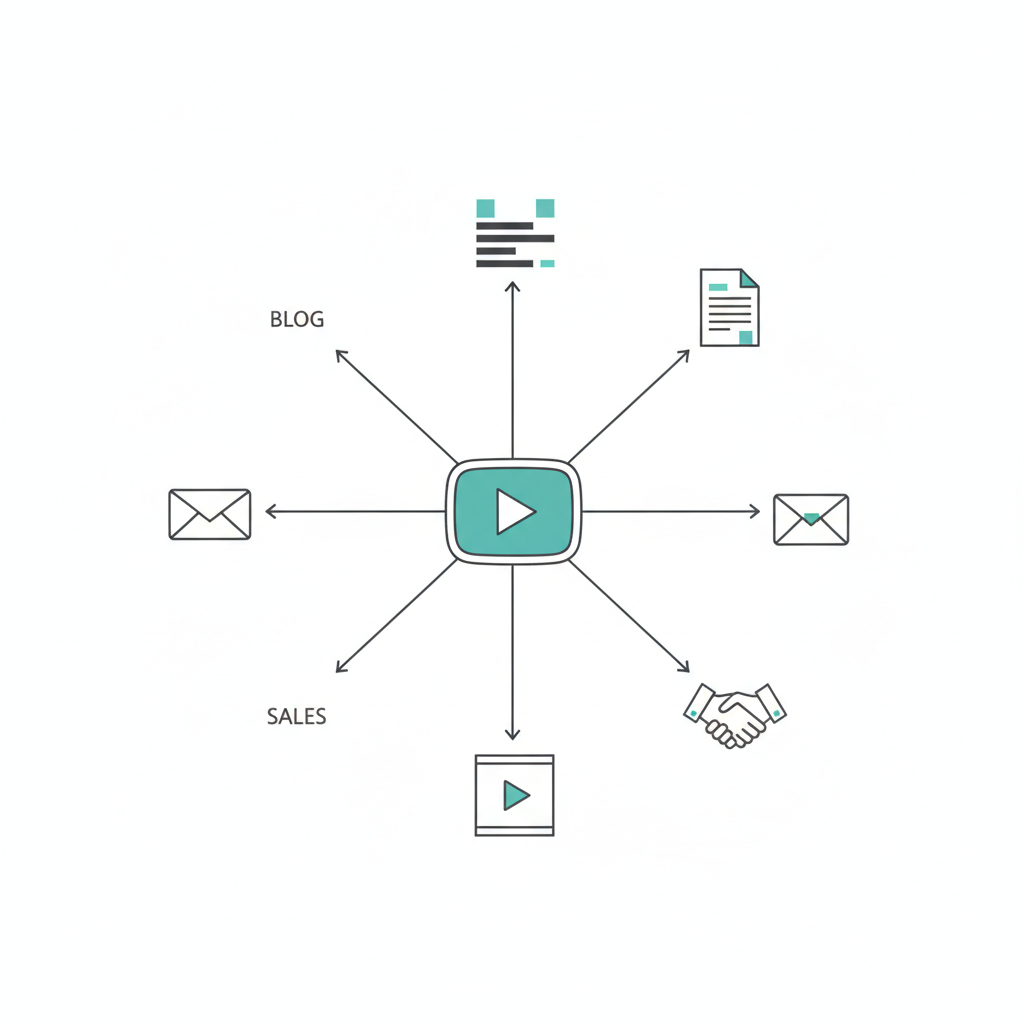
A single YouTube video fuels an entire content engine:
Video → multi-platform distribution → infinite leverage.
This is why high-performing B2B companies increasingly build YouTube-first content stacks.
LinkedIn rewards short, sharp ideas.
YouTube rewards story, structure, and depth.
Take this LinkedIn statement:
“Our CRM helped a client increase sales by 30%.”
On YouTube, reframe it as a narrative:
According to HBR, stories are up to 22 times more memorable than facts alone.
And memorability drives purchase decisions.
Stop treating YouTube like LinkedIn.
Stop posting information when your buyers want experiences.
Stop relying on short-lived feeds when you can build evergreen demand.
YouTube is the place your buyers already go to: